Blog

  • Top Welding Equipment for Industrial Use in Saudi Arabia

    Top Welding Equipment for Industrial Use in Saudi Arabia

    Saudi Arabia’s industrial sector is expanding rapidly under Vision 2030, with massive growth in oil & gas, petrochemicals, construction, and infrastructure projects across Riyadh, Jeddah, Dammam, Jubail, and Yanbu. In such demanding environments, high-quality welding equipment Saudi Arabia is essential for fabrication, pipeline installation, structural steel work, maintenance, and heavy machinery repair.

    Top Welding Equipment for Industrial Use in Saudi Arabia | Saudi Supplier

    At Saudi Supplier, we specialize in supplying durable, high-performance welding solutions suitable for the Kingdom’s harsh climate — extreme heat, dust, and long working hours. We offer reliable machines and accessories from trusted global brands, with fast delivery and expert support across KSA.

    Why Quality Welding Equipment Matters in Saudi Industrial Projects

    Using substandard welding machines can cause weak joints, frequent breakdowns, safety hazards, and project delays. In critical sectors like oil & gas and large construction projects, only robust and efficient industrial welding machines deliver consistent, high-strength results while meeting local safety regulations.

    Important factors when choosing welding equipment in Saudi Arabia include high duty cycle, portability, energy efficiency, multi-process capability, and resistance to heat and dust.

    Top Types of Industrial Welding Equipment Available in Saudi Arabia

    Here are the most in-demand welding solutions we supply:

    1. MIG/MAG Welding Machines MIG welding is popular for its speed and clean finish on medium-thickness metals. It is widely used in manufacturing, automotive parts, and general fabrication. In Saudi projects, MIG machines perform excellently for continuous production and outdoor work when paired with flux-cored wire.
    2. TIG Welding Machines TIG (Tungsten Inert Gas) offers precise control and superior weld quality, making it ideal for stainless steel, aluminum, and alloys used in petrochemical plants and pressure vessels. AC/DC inverter models are especially useful for versatile material handling in KSA.
    3. Stick (MMA/Arc) Welding Machines Stick welding remains highly practical for heavy fabrication, repair work, and outdoor sites due to its versatility and ability to work on rusty or dirty surfaces. Lightweight inverter-based arc welding machines are perfect for field operations across remote industrial areas in Saudi Arabia.
    4. Plasma Cutting Machines These provide fast and accurate cutting of steel, stainless steel, and aluminum, saving time in fabrication workshops and on-site work.
    5. Multi-Process Welders Modern multi-process machines combine MIG, TIG, and Stick functions in one unit — an excellent choice for workshops handling varied jobs without multiple machines.

    We also stock essential welding accessories such as torches, cables, regulators, electrodes, and filler wires to keep your operations running smoothly.

    Welding Safety Equipment — Protect Your Team in Saudi Conditions

    Safety must always come first. Proper welding safety equipment protects workers from sparks, UV radiation, fumes, and heat — especially important in Saudi Arabia’s hot climate.

    Essential PPE includes:

    • Auto-darkening welding helmets
    • Flame-resistant jackets, gloves, and aprons
    • Respirators and fume extractors
    • Safety goggles and face shields
    • Hearing protection

    We supply certified safety gear that complies with international and local standards. You can also explore our range of industrial safety equipment and cut resistant gloves for comprehensive protection.

    Applications of Welding Equipment in Saudi Arabia

    • Oil & Gas Sector: Pipeline welding, tank fabrication, and refinery maintenance.
    • Construction & Infrastructure: Structural steel assembly for Vision 2030 mega-projects.
    • Manufacturing & Fabrication: Heavy equipment repair and metalwork.
    • Petrochemical Plants: Precision welding for pipes and vessels.
    • Marine & Port Maintenance: Work at Jeddah Islamic Port and other facilities.

    How to Choose the Right Welding Equipment

    Consider material type, thickness, power availability, duty cycle, portability, and after-sales support. Our team at Saudi Supplier offers expert advice to help you select the best machine for your specific needs.

    For everyday industrial tasks, check our popular Max Electric Drill D131 13MM and ES 180mm Grinders G307 — tools that complement any welding setup.

    Why Choose Saudi Supplier?

    We are committed to providing premium industrial tools Saudi Arabia at competitive prices with:

    • Authentic products from reliable brands
    • Quick delivery across the Kingdom
    • Responsive customer support
    • Focus on quality and safety

    Browse our full collection or visit our FAQs page to learn why thousands of businesses trust us.

    Links:

    FAQ – Frequently Asked Questions

    Q1: What are the most popular welding machines used in Saudi Arabia? A: MIG, TIG, and Stick (Arc) welding machines are the top choices. MIG for speed, TIG for precision work, and Stick for tough outdoor conditions.

    Q2: Do you deliver welding equipment across all of Saudi Arabia? A: Yes, we deliver quickly to Riyadh, Jeddah, Dammam, Jubail, Yanbu, and other industrial cities.

    Q3: Which brands of welding machines do you supply? A: We stock reliable international brands suitable for the Middle East climate. Contact us for current availability.

    Q4: Is welding safety equipment mandatory? A: Yes. Proper PPE is essential for worker safety and regulatory compliance.

    Q5: How can I get a quotation for welding equipment? A: Call us, email, or send a message through our contact page. We reply promptly with competitive prices.

    Q6: Do inverter welding machines work well in hot Saudi climates? A: Yes. Modern inverters come with thermal protection and are designed for high-temperature environments.

    Ready to Upgrade Your Welding Setup in Saudi Arabia?

    Contact Saudi Supplier today for top-quality welding equipment, accessories, and safety gear. We help industrial businesses improve productivity and safety.

    Phone Number: Call +966565118011

    Email Address: info@saudisupplier.com

    Follow us:

    Website: https://hafa.translationkhana.com/

    For more power tools, safety products, and industrial supplies, explore our site and request your custom quote now.

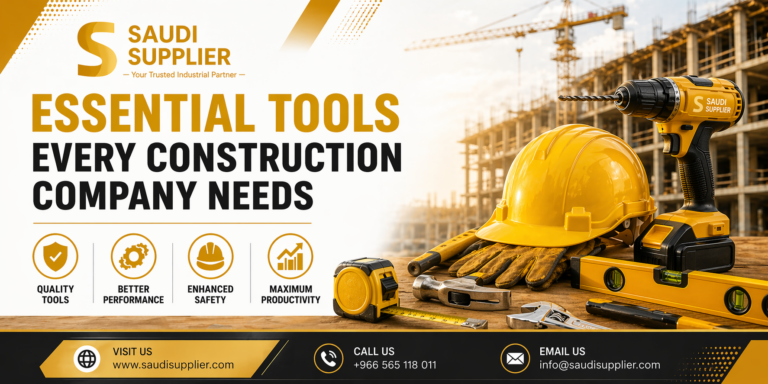
  • Essential Tools Every Construction Company Needs | Saudi Supplier

    Essential Tools Every Construction Company Needs | Saudi Supplier

    Introduction

    The construction industry relies heavily on the efficiency, durability, and reliability of tools (Essential Tools). Whether it’s a small-scale project or a large infrastructure development, having the right tools is essential for ensuring safety, accuracy, and productivity.

    Essential Tools Every Construction Company Needs | Saudi SupplierConstruction companies that invest in high-quality tools not only improve operational efficiency but also reduce downtime, enhance worker safety, and deliver projects on time. Choosing the right equipment is not just a necessity it’s a competitive advantage.

    At Saudi Supplier, businesses can find a comprehensive range of industrial-grade tools designed to meet the demands of modern construction projects. In this guide, we’ll explore the essential tools every construction company needs to succeed.

    1. Measuring and Layout Tools

    Accurate measurements are the foundation of any construction project. Without precision, even the best designs can fail.

    Essential measuring tools:

    • Measuring tapes
    • Laser distance meters
    • Spirit levels
    • Chalk lines

    Why they matter:

    • Ensure accuracy in design and structure
    • Reduce material waste
    • Prevent costly errors

    👉 Explore professional tools here:
    https://hafa.translationkhana.com/product-category/tools/

    2. Cutting Tools

    Cutting tools are crucial for shaping materials such as wood, metal, and concrete.

    Common cutting tools:

    • Circular saws
    • Angle grinders
    • Concrete cutters
    • Utility knives

    Benefits:

    • Clean and precise cuts
    • Faster material processing
    • Improved workflow efficiency

    High-quality cutting tools ensure durability and consistent performance even in demanding conditions.

    3. Drilling and Fastening Tools

    Drilling and fastening tools are used in almost every stage of construction.

    Must-have tools:

    • Power drills
    • Impact drivers
    • Screwdrivers
    • Nail guns

    Key advantages:

    • Strong and secure fittings
    • Faster assembly
    • Reduced manual effort

    Reliable drilling tools improve both speed and structural integrity.

    4. Material Handling Equipment

    Construction involves moving heavy materials regularly, making material handling tools essential.

    Examples:

    • Wheelbarrows
    • Hoists
    • Trolleys
    • Lifting equipment

    Importance:

    • Reduces physical strain
    • Improves efficiency
    • Minimizes injury risks

    Using proper handling tools ensures smoother site operations.

    5. Safety Equipment (PPE)

    Safety should always be the top priority on any construction site.

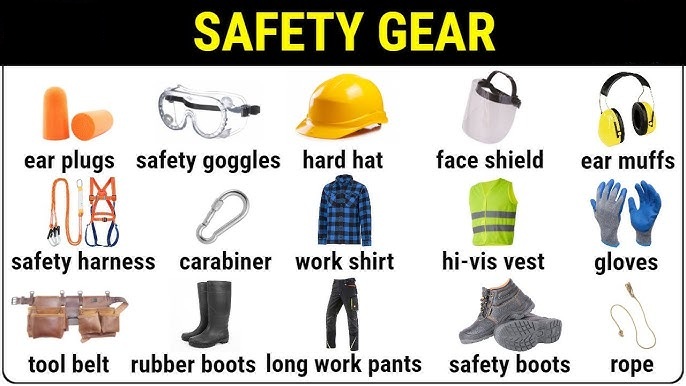
    Essential PPE:

    • Safety helmets
    • Gloves
    • Protective eyewear
    • Safety shoes
    • High-visibility vests

    👉 Browse safety equipment:
    https://hafa.translationkhana.com/product-category/safety-equipment/

    👉 PPE collection:
    https://hafa.translationkhana.com/product-category/ppe/

    Why PPE is critical:

    • Prevents workplace injuries
    • Ensures compliance with safety regulations
    • Boosts worker confidence

    A safe worker is a productive worker.

    6. Concrete and Masonry Tools

    Concrete work is a core part of construction, requiring specialized tools.

    Key tools:

    • Cement mixers
    • Trowels
    • Floats
    • Concrete vibrators

    Benefits:

    • Smooth finishing
    • Strong structures
    • Efficient material usage

    These tools ensure durability and quality in construction projects.

    7. Electrical Tools

    Electrical installations require precision and safety.

    Common tools:

    • Wire strippers
    • Voltage testers
    • Insulated pliers
    • Cable cutters

    Importance:

    • Prevent electrical hazards
    • Ensure proper installation
    • Improve work efficiency

    Using high-quality electrical tools reduces risks and enhances reliability.

    8. Heavy Machinery and Power Tools

    For large-scale projects, heavy-duty equipment is essential.

    Examples:

    • Jackhammers
    • Excavators
    • Bulldozers
    • Power saws

    Advantages:

    • Faster project completion
    • Increased productivity
    • Reduced manual labor

    While heavy machinery requires investment, it significantly improves project timelines.

    9. Hand Tools

    Even with advanced machinery, basic hand tools remain indispensable.

    Essential hand tools:

    • Hammers
    • Wrenches
    • Pliers
    • Chisels

    Why they matter:

    • Versatile and easy to use
    • Useful for small tasks and adjustments
    • Reliable in all situations

    Every construction worker depends on these tools daily.

    10. Finishing Tools

    Finishing tools ensure the final output meets quality standards.

    Examples:

    • Paint rollers
    • Sanders
    • Scrapers
    • Tile cutters

    Benefits:

    • Professional finishing
    • Enhanced appearance
    • Increased client satisfaction

    These tools play a vital role in delivering polished results.

    11. Construction Materials and Supplies

    Tools alone are not enough quality materials are equally important.

    👉 Explore construction materials:
    https://hafa.translationkhana.com/product-category/construction-materials/

    Using high-quality materials ensures:

    • Structural strength
    • Long-lasting results
    • Reduced maintenance costs

    12. Importance of Choosing the Right Supplier

    The quality of tools depends heavily on the supplier.

    A trusted supplier provides:

    • Genuine products
    • Competitive pricing
    • Reliable delivery
    • After-sales support

    👉 Visit: https://hafa.translationkhana.com/

    Saudi Supplier offers a wide range of industrial tools and construction supplies, making it a reliable partner for businesses across Saudi Arabia.

    Conclusion

    Every construction company, regardless of size, needs a solid set of essential tools to operate efficiently and safely. From measuring instruments to heavy machinery and safety equipment, each tool plays a crucial role in ensuring project success.

    Investing in highq uality tools not only improves productivity but also enhances safety, reduces costs, and ensures long-term success.

    With trusted providers like Saudi Supplier, businesses can access reliable, durable, and high-performance tools tailored to their needs.

    Contact Information

    📞 Phone: +966565118011
    📧 Email: info@saudisupplier.com

    🌐 Follow Us:

    FAQs

    1. What are the most important tools for construction companies?

    Measuring tools, cutting tools, drilling equipment, safety gear, and heavy machinery are essential for construction work.

    2. Why is safety equipment necessary in construction?

    Safety equipment protects workers from injuries, ensures compliance, and improves productivity.

    3. How can construction tools improve efficiency?

    High-quality tools reduce manual effort, increase speed, and ensure accurate results.

    4. Where can I buy construction tools in Saudi Arabia?

    You can find a wide range of tools and equipment at Saudi Supplier.

    5. How often should construction tools be replaced?

    It depends on usage and quality, but regular inspection and maintenance are essential to ensure safety and performance.

  • How Quality Safety Gear Improves Workplace Productivity

    How Quality Safety Gear Improves Workplace Productivity

    Workplace productivity is not just about speed or efficiency. It’s about creating an environment where employees can perform their tasks safely, confidently, and without unnecessary interruptions. One of the most overlooked yet powerful contributors to productivity is quality safety gear.

    How Quality Safety Gear Improves Workplace Productivity

    From construction sites to industrial facilities and warehouses, investing in reliable safety equipment doesn’t just prevent accidents. It enhances workflow, reduces downtime, and builds employee trust.

    At Saudi Supplier, we understand that safety and productivity go hand in hand. This article explores how high-quality safety gear directly impacts workplace performance and why it should be a top priority for every business.

    1. Reduces Workplace Accidents and Downtime

    The most obvious benefit of safety gear is accident prevention. Injuries can halt operations, delay projects, and increase costs.

    How safety gear helps:

    • Helmets protect against head injuries
    • Gloves reduce hand-related accidents
    • Safety shoes prevent slips and foot injuries
    • Protective eyewear avoids vision damage

    When employees are protected, fewer accidents occur—meaning:

    • Less downtime
    • Fewer disruptions
    • Continuous workflow

    👉 Explore our wide range of safety products on Saudi Supplier Safety Equipment section to ensure maximum protection.

    2. Boosts Employee Confidence and Morale

    Employees perform better when they feel safe. If workers are constantly worried about injuries, their focus and efficiency drop.

    Benefits of safety confidence:

    • Better concentration on tasks
    • Increased job satisfaction
    • Reduced stress and fatigue

    When employees trust their equipment, they:

    • Work faster
    • Make fewer mistakes
    • Deliver better results

    High-quality gear sends a strong message:
    “Your safety matters.”

    3. Enhances Work Efficiency

    Poor-quality or uncomfortable safety gear can slow workers down. For example:

    • Heavy gloves reduce grip efficiency
    • Low-quality helmets cause discomfort
    • Poor-fitting shoes lead to fatigue

    High-quality gear improves:

    • Mobility
    • Comfort
    • Task execution speed

    Modern safety equipment is designed for:

    • Lightweight performance
    • Breathability
    • Ergonomic use

    This allows workers to perform tasks efficiently without compromising safety.

    4. Reduces Financial Losses

    Accidents are expensive. Businesses face:

    • Medical expenses
    • Compensation claims
    • Equipment damage
    • Legal penalties

    Investing in quality safety gear helps reduce these risks.

    Cost-saving advantages:

    • Fewer injury-related expenses
    • Lower insurance costs
    • Reduced legal liabilities

    In simple terms:
    Prevention is always cheaper than recovery.

    5. Ensures Compliance with Safety Regulations

    Workplace safety laws require businesses to provide proper protective equipment.

    Failure to comply can result in:

    • Heavy fines
    • Legal action
    • Business shutdowns

    Using certified safety gear ensures:

    • Regulatory compliance
    • Audit readiness
    • Risk-free operations

    👉 Check compliant safety solutions at Saudi Supplier to meet industry standards.

    6. Improves Long-Term Productivity

    Safety gear is not a short-term investment. It delivers long-term productivity benefits.

    Long-term impact:

    • Reduced employee turnover
    • Fewer sick leaves
    • Stable workforce performance

    Employees who feel safe are more likely to:

    • Stay loyal to the company
    • Maintain consistent performance
    • Contribute to growth

    7. Minimizes Equipment Damage

    Safety gear doesn’t just protect people. It also protects tools and materials.

    For example:

    • Anti-slip shoes prevent dropping equipment
    • Gloves improve handling of tools
    • Helmets protect during heavy operations

    This reduces:

    • Equipment repair costs
    • Material wastage
    • Operational delays

    8. Promotes a Safety-First Work Culture

    A workplace that prioritizes safety naturally becomes more productive.

    Safety culture leads to:

    • Discipline
    • Accountability
    • Better teamwork

    When safety becomes a habit:

    • Employees follow procedures properly
    • Risks are identified early
    • Workflows become smoother

    9. Supports High-Risk Industries

    Industries like construction, oil & gas, and manufacturing require specialized safety gear.

    Examples:

    • Fire-resistant clothing
    • Respirators and masks
    • Fall protection systems

    Using high-quality equipment ensures workers can operate safely even in extreme conditions.

    👉 Browse industrial-grade solutions at Saudi Supplier Industrial Supplies for demanding environments.

    10. Strengthens Brand Reputation

    A company that values employee safety builds a strong reputation.

    Positive outcomes:

    • Attracts skilled workers
    • Builds client trust
    • Enhances brand image

    Clients prefer working with companies that:

    • Follow safety standards
    • Deliver reliable performance
    • Maintain professional environments

    Conclusion

    Quality safety gear is not just a regulatory requirement. It’s a strategic investment in productivity. From reducing accidents to boosting employee morale and improving efficiency, the benefits are undeniable.

    Businesses that prioritize safety:

    • Experience fewer disruptions
    • Achieve higher performance
    • Build stronger teams

    At Saudi Supplier, we provide high-quality safety solutions tailored to your industry needs.

    Contact Information

    📞 Phone: +966565118011
    📧 Email: info@saudisupplier.com

    🌐 Follow Us:

    FAQs

    1. Why is safety gear important for productivity?

    Safety gear prevents injuries, reduces downtime, and allows employees to work efficiently without fear.

    2. What types of safety gear are essential?

    Helmets, gloves, safety shoes, goggles, and protective clothing are commonly required across industries.

    3. Does quality matter in safety equipment?

    Yes, high-quality gear provides better protection, comfort, and durability, directly impacting productivity.

    4. How does safety gear reduce costs?

    It minimizes accidents, medical expenses, legal issues, and equipment damage.

    5. Where can I buy reliable safety gear in Saudi Arabia?

    You can find high-quality safety equipment at Saudi Supplier, offering a wide range of industrial products.

  • Complete Guide to Electrical Supplies for Commercial Projects

    Complete Guide to Electrical Supplies for Commercial Projects

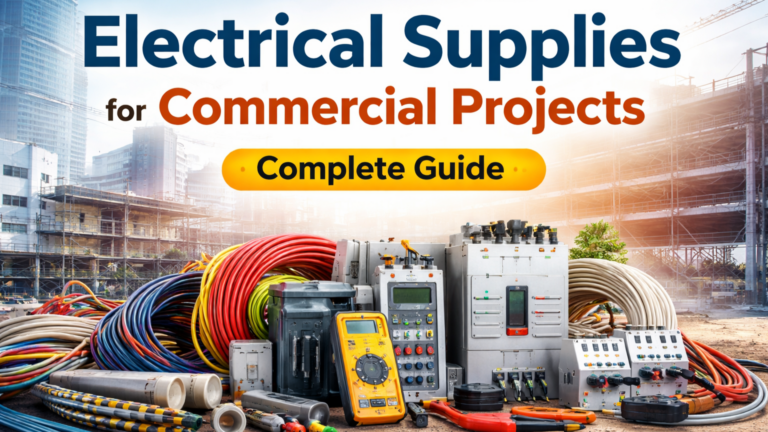
    When you walk into a commercial building, a shopping mall, office tower, hospital, or industrial facility. You rarely think about what keeps everything running behind the scenes. Lights turn on instantly, machines operate smoothly, and systems function without interruption. But all of this depends on one critical factor: the quality and reliability of electrical supplies used during construction.(electrical supplies for commercial projects)

    Commercial projects are not forgiving when it comes to electrical systems. A small mistake in material selection or installation can lead to serious consequences, from operational downtime to safety hazards. That’s why understanding electrical supplies is not just important, it’s essential.

    This guide is designed to give you a clear, practical understanding of what goes into selecting the right electrical supplies for commercial projects, whether you’re a contractor, project manager, or business owner.

    electrical supplies for commercial projects, commercial electrical supplies, industrial electrical equipment, electrical materials Saudi Arabia, commercial projectsWhy Electrical Supplies Matter More in Commercial Projects

    Unlike residential setups, commercial environments deal with higher loads, complex systems, and continuous usage. Equipment runs longer hours, systems are interconnected, and the margin for error is very small.

    Think about a hospital where power failure is not an option, or a manufacturing unit where downtime costs thousands per hour. In such environments, the electrical infrastructure must be strong, reliable, and built to last.

    The quality of electrical supplies directly affects:

    • Operational efficiency
    • Energy consumption
    • Maintenance costs
    • Safety of workers and occupants

    This is why professionals don’t just “buy materials” they carefully evaluate every component before making a decision

    Understanding the Core Components

    A commercial electrical system is made up of several interconnected parts. Each plays a specific role, and together they create a stable and efficient power network.

    Cables and Wiring: The Foundation

    Every electrical system begins with cables. They carry power from one point to another, and their quality determines how efficiently electricity flows.

    In commercial settings, cables must handle heavy loads and often operate in challenging conditions such as heat, dust, or moisture. Poor-quality cables can overheat, degrade quickly, or even cause fires.

    That’s why professionals look for durability, proper insulation, and compliance with safety standards when selecting wiring materials.

    Switchgear: The Control Center

    If cables are the veins of a system, switchgear is the brain. It controls the flow of electricity, protects equipment, and ensures safe operation.

    In a commercial building, switchgear quietly performs critical tasks, disconnecting power during faults, managing load distribution, and preventing damage to expensive equipment.

    Without reliable switchgear, even the best electrical system can fail under pressure.

    Lighting Systems: More Than Just Illumination

    Lighting in commercial spaces is not just about visibility. It affects productivity, energy consumption, and even the mood of occupants.

    Modern commercial projects focus heavily on energy-efficient lighting solutions. LED systems, for example, consume less power and last significantly longer than traditional options.

    In large facilities, lighting must also be consistent and strategically placed. Poor lighting design can lead to discomfort, reduced efficiency, and higher operational costs.

    Cable Management: The Hidden Structure

    Behind walls and ceilings, cable management systems keep everything organized and protected. While often overlooked, they play a crucial role in maintaining safety and ease of maintenance.

    Properly arranged cables reduce the risk of overheating and make it easier to troubleshoot issues in the future. In large projects, this can save both time and money.

    Power Distribution: Keeping Everything Balanced

    Electricity needs to be distributed evenly across the building. This is where distribution panels, transformers, and related equipment come into play.

    A well-designed distribution system ensures that no part of the building is overloaded while others remain underutilized. It also helps maintain voltage stability, which is essential for sensitive equipment.

    Safety Equipment: The Non-Negotiable Elemen

    No commercial project is complete without proper safety measures. Electrical systems, if not properly managed, can be dangerous.

    Safety equipment such as grounding systems, surge protection devices, and insulation materials are critical. They protect both people and equipment from unexpected electrical faults.

    Ignoring safety is never worth the risk.

    How to Choose the Right Electrical Supplies

    Choosing electrical supplies is not just about picking items from a catalog. It requires understanding the specific needs of your project.

    Start with Load Requirements

    Every building has different power needs. A small office will have very different requirements compared to a large industrial facility.

    Understanding load requirements helps in selecting the right capacity for cables, switchgear, and distribution systems.

    Consider the Environment

    Will the system be exposed to heat, humidity, or dust? Will it operate indoors or outdoors?

    Environmental conditions have a direct impact on material performance. Supplies must be selected accordingly to ensure durability and reliability.

    Focus on Quality Over Cost

    It can be tempting to choose cheaper options, especially when working within a budget. However, low-quality materials often lead to higher maintenance costs and frequent replacements.

    Investing in quality products may cost more upfront, but it saves money in the long run.

    Ensure Compliance with Standard

    Commercial electrical systems must meet strict regulations. Using certified products ensures compliance and reduces the risk of legal or safety issues.

    Work with a Trusted Supplier

    A reliable supplier does more than just provide products. They offer guidance, ensure consistency, and help you avoid costly mistakes.

    Working with an experienced supplier can make the entire procurement process smoother and more efficient.

    The Role of Modern Technology

    Technology is changing how electrical systems are designed and managed.

    Today, many commercial buildings use smart systems that allow real-time monitoring of energy usage. These systems help identify inefficiencies and reduce waste.

    Automation is also becoming more common. From lighting controls to power management, smart solutions are improving both convenience and efficiency.

    Common Challenges in Commercial Projects

    Even with careful planning, challenges can arise.

    Delays in material supply, incorrect product selection, and installation errors are some of the most common issues. These problems can disrupt timelines and increase costs.

    The best way to avoid these challenges is through proper planning, clear communication, and working with experienced professionals.

    Why Experience and Expertise Matter

    Electrical systems are not something you can afford to experiment with. Experience plays a huge role in ensuring everything works as expected.

    Professionals who understand commercial requirements can make better decisions, avoid common pitfalls, and deliver reliable results.

    This is where working with established suppliers and experts becomes valuable.

    Reliable Source for Electrical Supplies

    For commercial projects, having access to a dependable source of electrical supplies is essential.

    You can explore a wide range of electrical products and solutions here:

    Contact Information

    If you need assistance or want to source electrical supplies:

    Phone: +966565118011
    Email: info@saudisupplier.com

    Social Media:

    Conclusion Electrical supplies are at the heart of every commercial project. From powering systems to ensuring safety, every component plays a vital role.

    Choosing the right materials is not just a technical decision,it’s a long-term investment. When done correctly, it leads to better performance, lower costs, and a safer environment.

    By understanding your project’s needs, focusing on quality, and working with trusted suppliers, you can build electrical systems that stand the test of time.

    FAQs

    What are the most important electrical supplies for commercial projects?

    The most important supplies include cables, switchgear, lighting systems, distribution equipment, and safety components.

    How do I ensure the quality of electrical materials?

    Always choose certified products, check specifications carefully, and work with reliable suppliers.

    Why is energy efficiency important in commercial buildings?

    Energy-efficient systems reduce electricity costs and improve overall sustainability.

    Can poor electrical supplies affect business operations?

    Yes, low-quality materials can lead to failures, downtime, and increased maintenance costs.

    Where can I find reliable electrical supplies?

    You can explore trusted options through Saudi Supplier, which offers a wide range of products for commercial needs.

  • Best Drill Machines for Heavy-Duty Industrial Use

    Best Drill Machines for Heavy-Duty Industrial Use

    In the industrial and construction sectors, having the right tools can significantly impact productivity, efficiency, and safety. Among the most essential tools in any industrial setup are drill machines, especially those designed for heavy-duty use.

    The Best Drills | Lab Tested & Ranked

    From construction sites to manufacturing plants, heavy-duty drill machines are used for drilling through concrete, metal, wood, and other tough materials. Choosing the right drill machine is critical for achieving precision, durability, and performance.

    In this guide, we will explore the best drill machines for heavy-duty industrial use in 2026, along with expert buying tips and recommendations for businesses in Saudi Arabia.

    Why Heavy-Duty Drill Machines Are Essential

    Heavy-duty drill machines are specifically designed to handle demanding tasks that standard drills cannot manage.

    Key benefits include:

    • High power and torque for tough materials
    • Durability for continuous industrial use
    • Precision for accurate drilling
    • Versatility across multiple applications

    Industries such as construction, oil & gas, and manufacturing rely heavily on robust drilling equipment to maintain efficiency and safety.

    Types of Heavy-Duty Drill Machines

    Understanding the different types of drill machines helps in selecting the right one for your needs.

    1. Rotary Hammer Drills

    Rotary hammer drills are ideal for drilling into concrete and masonry.

    Features:

    • High impact energy
    • Fast drilling speed
    • Suitable for heavy construction work

    2. Magnetic Drill Machines

    Magnetic drills are commonly used in metalworking industries.

    Features:

    • Strong magnetic base
    • High precision drilling
    • Ideal for steel structures

    3. Bench Drill Machines

    Bench drills are stationary machines used in workshops.

    Features:

    • High accuracy
    • Stable operation
    • Suitable for repetitive tasks

    4. Cordless Heavy-Duty Drills

    Cordless drills provide flexibility and portability.

    Features:

    • Battery-powered
    • Easy to use in remote locations
    • Suitable for light to medium heavy-duty tasks

    5. Impact Drills

    Impact drills combine rotation with hammering action.

    Features:

    • Versatile use
    • Suitable for multiple materials
    • Efficient for construction work

    Key Features to Consider When Buying Drill Machines

    1. Power and Performance

    Power is the most important factor in heavy-duty drills.

    Look for:

    • High wattage or voltage
    • Strong torque output
    • Adjustable speed settings

    Higher power ensures better performance in tough conditions.

    2. Build Quality and Durability

    Industrial environments require tools that can withstand wear and tear.

    Choose machines made with:

    • High-quality materials
    • Strong casing
    • Heat-resistant components

    Durable tools reduce maintenance costs and downtime.

    3. Safety Features

    Safety is critical when using heavy-duty equipment.

    Important safety features include:

    • Overload protection
    • Anti-vibration systems
    • Emergency stop functions

    Using safe equipment reduces the risk of workplace accidents.

    4. Ease of Use

    User-friendly machines improve productivity.

    Consider:

    • Ergonomic design
    • Lightweight structure (for handheld tools)
    • Easy control mechanisms

    5. Brand and Supplier Reliability

    Choosing a trusted supplier ensures quality and after-sales support.

    Reliable suppliers provide:

    • Certified products
    • Warranty options
    • Technical assistance

    Best Applications of Industrial Drill Machines

    Heavy-duty drill machines are widely used in:

    • Construction projects
    • Metal fabrication
    • Oil & gas industries
    • Infrastructure development
    • Manufacturing plants

    Selecting the right drill for each application improves efficiency and output quality.

    Common Mistakes to Avoid

    When purchasing industrial drill machines, avoid these mistakes:

    • Buying low-quality tools to save money
    • Ignoring power requirements
    • Not checking compatibility with materials
    • Overlooking safety features
    • Choosing unverified suppliers

    Avoiding these mistakes ensures long-term performance and reliability.

    Maintenance Tips for Drill Machines

    Proper maintenance extends the lifespan of your equipment.

    Best practices include:

    • Regular cleaning
    • Lubrication of moving parts
    • Checking electrical components
    • Replacing worn-out parts

    Routine maintenance prevents breakdowns and improves efficiency.

    Why Choose Saudi Supplier for Industrial Tools

    Saudi Supplier is a trusted name for industrial equipment in Saudi Arabia.

    We offer:

    • High-quality drill machines
    • Reliable industrial tools
    • Competitive pricing
    • Expert consultation

    Whether you need drilling equipment for construction or manufacturing, Saudi Supplier provides solutions tailored to your needs.

    Contact Information

    📞 Call: +966565118011
    📧 Email: info@saudisupplier.com

    🌐 Website: https://hafa.translationkhana.com/

    🔗 Social Media:

           Website Links:

    Final Thoughts

    Choosing the best drill machines for heavy-duty industrial use is essential for ensuring productivity, safety, and long-term performance. By focusing on power, durability, and supplier reliability, businesses in Saudi Arabia can make smart investments in industrial tools.

    In 2026, advanced technology and high-quality equipment will continue to shape the future of industrial operations making it more important than ever to choose the right tools for the job.

  • Safety Standards Every Saudi Workplace Must Follow in 2026

    Safety Standards Every Saudi Workplace Must Follow in 2026

    Workplace safety in Saudi Arabia has evolved significantly over the past decade. With rapid industrial growth, stricter government regulations, and increased awareness of employee well-being, safety standards are no longer optional, they are essential.

    Safety Standards Every Saudi Workplace Must Follow in 2026 | Saudi Supplier

    In 2026, businesses operating in Saudi Arabia must adhere to comprehensive safety standards to ensure compliance, protect workers, and maintain operational efficiency. Whether you manage a construction site, factory, warehouse, or office environment, following proper safety guidelines is critical for long-term success.

    This guide provides a detailed overview of the key safety standards every Saudi workplace must follow in 2026.

    Why Workplace Safety is Crucial in Saudi Arabia

    Saudi Arabia’s economic diversification and industrial expansion have led to increased focus on occupational safety. Government authorities are enforcing stricter regulations to minimize workplace accidents and improve overall safety culture.

    A strong workplace safety system helps businesses:

    • Reduce accidents and injuries
    • Improve employee productivity
    • Avoid legal penalties
    • Enhance brand reputation
    • Ensure compliance with regulations

    Companies that fail to meet safety standards may face fines, legal consequences, and damage to their reputation.

    Understanding Safety Regulations in Saudi Arabia

    Employers in Saudi Arabia are legally responsible for providing a safe working environment. Safety regulations require organizations to:

    • Identify and control workplace hazards
    • Provide appropriate safety equipment
    • Conduct regular safety inspections
    • Train employees on safety practices

    Compliance is not just about avoiding penalties. It is about creating a sustainable and responsible business environment.

    1. Personal Protective Equipment (PPE) Requirements

    Personal Protective Equipment (PPE) is a fundamental component of workplace safety.

    Essential PPE includes:

    • Safety helmets
    • Protective gloves
    • Safety goggles
    • High-visibility clothing
    • Respiratory protection

    Employers must ensure:

    • PPE is provided to all relevant employees
    • Equipment meets quality and safety standards
    • Workers are trained on proper usage

    Using certified PPE significantly reduces the risk of injuries in hazardous workplaces.

    2. Risk Assessment and Hazard Management

    Risk assessment is the backbone of any effective safety program.

    Companies must:

    • Identify potential hazards
    • Evaluate the level of risk
    • Implement preventive measures
    • Monitor and update safety procedures

    Common workplace hazards include:

    • Slips, trips, and falls
    • Electrical risks
    • Chemical exposure
    • Machinery-related injuries

    Proactive hazard management helps prevent accidents before they occur.

    3. Fire Safety and Emergency Preparedness

    Fire safety is a mandatory requirement across all industries.

    Key fire safety measures include:

    • Installation of fire alarms and extinguishers
    • Clearly marked emergency exits
    • Regular fire drills
    • Emergency evacuation plans

    Employees should be trained to respond quickly and effectively in case of emergencies.

    4. Workplace Safety Training Programs

    Training is essential for maintaining a safe work environment.

    Effective training programs should cover:

    • Proper use of equipment
    • Emergency procedures
    • Hazard identification
    • Safe work practices

    Regular training ensures employees stay updated with the latest safety standards and protocols.

    5. Equipment Safety and Maintenance

    Faulty equipment is one of the leading causes of workplace accidents.

    Employers must:

    • Perform regular inspections
    • Conduct preventive maintenance
    • Replace damaged equipment immediately
    • Ensure machinery meets safety standards

    Well-maintained equipment improves efficiency and reduces risks.

    6. Health and Hygiene Standards

    Maintaining proper hygiene is critical, especially in industries such as food processing and healthcare.

    Important practices include:

    • Clean working environments
    • Access to clean drinking water
    • Proper waste disposal
    • Availability of first aid kits

    Good hygiene practices contribute to overall employee health and productivity.

    7. Construction and Industrial Safety Standards

    High-risk industries like construction require additional safety measures.

    These include:

    • Fall protection systems
    • Safe scaffolding
    • Protective barriers
    • Supervision by safety officers

    Strict adherence to these standards can prevent serious injuries and fatalities.

    8. Safety Signage and Communication

    Clear communication is essential for workplace safety.

    Safety signage should include:

    • Warning signs
    • Hazard labels
    • Emergency instructions

    Proper signage ensures employees are aware of potential risks and safety procedures.

    9. Use of Technology in Workplace Safety

    Technology is transforming safety standards in Saudi Arabia.

    Modern solutions include:

    • Smart PPE with sensors
    • Real-time monitoring systems
    • Digital reporting tools
    • AI-based risk detection

    These innovations help organizations detect hazards early and improve response times.

    10. Safety Audits and Documentation

    Documentation plays a crucial role in safety compliance.

    Businesses must maintain:

    • Incident reports
    • Inspection records
    • Training logs
    • Safety policies

    Regular audits help identify gaps and improve safety systems.

    Best Practices for Workplace Safety in 2026

    To maintain high safety standards, businesses should:

    • Develop a strong safety culture
    • Encourage employee participation
    • Conduct regular safety meetings
    • Invest in quality safety equipment
    • Partner with reliable suppliers

    Consistency and commitment are key to ensuring workplace safety.

    How Saudi Supplier Supports Workplace Safety

    Saudi Supplier is committed to helping businesses maintain high safety standards across Saudi Arabia.

    We provide:

    • High-quality PPE and safety equipment
    • Reliable product availability
    • Expert consultation and support
    • Competitive pricing for all industries

    Our solutions are designed to meet the safety needs of modern workplaces and ensure compliance with regulations.

    Contact Information

    📞 Call: +966565118011
    📧 Email: info@saudisupplier.com

    🌐 Website: https://hafa.translationkhana.com/

    🔗 Social Media:

    Final Thoughts

    Workplace safety in Saudi Arabia is more important than ever in 2026. Businesses must go beyond basic compliance and adopt a proactive approach to safety.

    By implementing proper safety standards, providing quality equipment, and training employees effectively, organizations can create a safe, productive, and legally compliant work environment.

    Investing in safety today ensures a stronger, more successful future for your business.

  • Complete Guide to Buying Industrial Safety Equipment in Saudi Arabia

    Complete Guide to Buying Industrial Safety Equipment in Saudi Arabia

    In today’s fast-growing industrial environment, workplace safety is more important than ever. Businesses across Saudi Arabia are required to follow strict safety regulations while ensuring employees are protected from potential hazards.

    Complete Guide to Buying Industrial Safety Equipment in Saudi Arabia | Saudi SupplierWhether you operate in construction, oil & gas, manufacturing, or logistics, investing in the right industrial safety equipment is essential for compliance, productivity, and long-term success.

    This complete guide will help you understand how to choose, evaluate, and buy the best industrial safety equipment in Saudi Arabia in 2026.

    Why Industrial Safety Equipment Matters

    Industrial safety equipment plays a critical role in preventing workplace injuries and ensuring compliance with Saudi safety regulations.

    Without proper safety gear, workers are exposed to risks such as:

    • Physical injuries
    • Chemical exposure
    • Respiratory hazards
    • Electrical accidents
    • Falling objects

    Providing high-quality safety equipment is not just a legal requirement—it builds trust, improves morale, and enhances operational efficiency.

    Understanding Safety Regulations in Saudi Arabia

    Before purchasing safety equipment, it is important to understand local safety requirements.

    Businesses must comply with:

    • Occupational safety standards
    • Industry-specific safety guidelines
    • Employer responsibility laws

    Companies are legally required to:

    • Provide appropriate PPE
    • Ensure equipment meets quality standards
    • Train employees on proper usage

    Failure to comply can lead to fines, penalties, or even business shutdowns.

    Types of Industrial Safety Equipment

    Choosing the right equipment depends on your industry and workplace risks.

    1. Personal Protective Equipment (PPE)

    PPE is the first line of defense against workplace hazards.

    Common PPE includes:

    • Safety helmets
    • Gloves
    • Safety goggles
    • Protective clothing
    • Respirators

    Each item should meet international safety standards and be suitable for specific job roles.

    2. Fall Protection Equipment

    Essential for construction and high-risk environments:

    • Safety harnesses
    • Lanyards
    • Anchor points

    These systems help prevent serious injuries caused by falls from height.

    3. Respiratory Protection

    Used in environments with dust, fumes, or toxic gases:

    • Face masks
    • Air-purifying respirators
    • Breathing apparatus

    Proper respiratory protection is critical in industrial and chemical workplaces.

    4. Fire Safety Equipment

    Fire hazards are common in industrial settings.

    Must-have equipment includes:

    • Fire extinguishers
    • Fire blankets
    • Smoke detectors

    Regular maintenance and employee training are essential for effectiveness.

    5. Industrial Safety Signage

    Safety signs help communicate hazards and instructions clearly.

    Examples include:

    • Warning signs
    • Emergency exit signs
    • Hazard labels

    Clear signage improves awareness and prevents accidents.

    Key Factors to Consider Before Buying Safety Equipment

    1. Quality and Certification

    Always choose equipment that meets recognized safety standards.

    Look for certifications such as:

    • ISO standards
    • CE marking
    • Industry-specific approvals

    High-quality equipment ensures better protection and durability.

    2. Supplier Reliability

    Selecting a trusted supplier is crucial.

    A reliable supplier should offer:

    • Certified products
    • Consistent availability
    • Competitive pricing
    • After-sales support

    Working with experienced suppliers reduces risks and ensures product quality.

    3. Industry-Specific Requirements

    Different industries require different safety solutions.

    For example:

    • Construction requires fall protection and helmets
    • Oil & gas requires flame-resistant clothing
    • Manufacturing requires gloves and eye protection

    Understanding your industry needs helps in making the right purchase.

    4. Comfort and Usability

    Safety equipment must be comfortable for daily use.

    Poorly designed gear can:

    • Reduce productivity
    • Cause discomfort
    • Lead to improper usage

    Always choose ergonomic and well-fitted equipment.

    5. Cost vs Value

    While cost is important, never compromise on safety.

    Cheap equipment may:

    • Wear out quickly
    • Fail during emergencies
    • Increase long-term costs

    Investing in quality products provides better value over time.

    Common Mistakes to Avoid

    When buying industrial safety equipment, avoid these common mistakes:

    • Choosing low-quality products to save money
    • Ignoring certification standards
    • Not training employees
    • Buying from unverified suppliers
    • Failing to replace damaged equipment

    Avoiding these mistakes can significantly improve workplace safety.

    How to Choose the Right Safety Equipment Supplier in Saudi Arabia

    A good supplier can make a huge difference in safety and compliance.

    Look for suppliers who:

    • Have industry experience
    • Offer a wide range of products
    • Provide expert guidance
    • Maintain consistent stock availability

    Building a long-term relationship with a trusted supplier ensures smooth operations.

    Role of Technology in Safety Equipment (2026 Trends)

    Technology is transforming industrial safety in Saudi Arabia.

    Modern innovations include:

    • Smart PPE with sensors
    • Real-time monitoring systems
    • AI-based hazard detection
    • Digital safety management platforms

    These technologies help businesses improve safety and reduce risks.

    Maintenance and Replacement of Safety Equipment

    Buying equipment is only the first step.

    Companies must also:

    • Inspect equipment regularly
    • Replace worn-out gear
    • Store equipment properly
    • Maintain safety records

    Regular maintenance ensures equipment performs effectively when needed.

    Training Employees on Safety Equipment

    Providing equipment alone is not enough.

    Employees must be trained on:

    • Proper usage
    • Maintenance
    • Emergency procedures

    Training improves compliance and reduces workplace accidents.

    Why Choose Saudi Supplier for Safety Equipment

    At Saudi Supplier, we specialize in providing high-quality industrial safety equipment across Saudi Arabia.

    We offer:

    • Certified PPE and safety products
    • Reliable supply for all industries
    • Competitive pricing
    • Expert support and guidance

    Our goal is to help businesses create safe and compliant workplaces with trusted safety solutions.

    Contact Information

    📞 Call: +966565118011
    📧 Email: info@saudisupplier.com

    🌐 Website: https://hafa.translationkhana.com/

    🔗 Social Media:

    Final Thoughts

    Buying industrial safety equipment in Saudi Arabia requires careful planning, proper knowledge, and the right supplier.

    By focusing on quality, compliance, and employee safety, businesses can reduce risks, improve efficiency, and build a strong reputation in their industry.

    In 2026, workplace safety is not just about compliance—it is about creating a culture of protection, responsibility, and long-term success.

  • Safety Standards Every Saudi Workplace Must Follow in 2026

    Safety Standards Every Saudi Workplace Must Follow in 2026

    Workplace safety has become a top priority for businesses operating in Saudi Arabia. With rapid industrial growth, stricter regulations, and increasing awareness of employee well-being, companies must adopt comprehensive safety standards to remain compliant and competitive in 2026.

    Safety Standards Every Saudi WorkplaceFrom construction sites to corporate offices, maintaining a safe working environment is not just a legal obligation. It is a responsibility that directly impacts productivity, reputation, and long-term success.

    In this guide, we will explore the essential safety standards every Saudi workplace must follow in 2026, along with practical insights to help businesses implement them effectively.

    Why Workplace Safety Matters in Saudi Arabia

    Saudi Arabia has significantly strengthened its occupational safety regulations in recent years. Authorities are focusing on reducing workplace accidents, improving employee welfare, and ensuring businesses follow international safety practices.

    A safe workplace offers several benefits:

    • Reduces workplace injuries and fatalities
    • Improves employee productivity and morale
    • Ensures compliance with Saudi labor laws
    • Enhances company reputation
    • Minimizes financial losses from accidents

    Ignoring safety standards can result in heavy penalties, legal issues, and operational disruptions.

    1. Compliance with Saudi Labor and Safety Regulations

    Every business operating in Saudi Arabia must comply with national labor laws and occupational safety guidelines.

    Key requirements include:

    • Providing a safe working environment
    • Conducting regular safety inspections
    • Ensuring proper employee training
    • Maintaining emergency preparedness

    Employers are responsible for identifying hazards and implementing preventive measures to protect workers.

    2. Proper Use of Personal Protective Equipment (PPE)

    Personal Protective Equipment (PPE) is one of the most critical components of workplace safety.

    Essential PPE includes:

    • Safety helmets
    • Protective gloves
    • Safety goggles
    • High-visibility clothing
    • Respiratory protection

    Employers must ensure:

    • PPE is provided free of cost
    • Equipment meets quality standards
    • Employees are trained to use PPE correctly

    Using high-quality PPE significantly reduces the risk of injuries in hazardous environments such as construction and manufacturing.

    3. Risk Assessment and Hazard Identification

    Risk assessment is the foundation of workplace safety.

    Companies must:

    • Identify potential hazards
    • Evaluate risks associated with tasks
    • Implement control measures
    • Regularly update safety plans

    Common workplace hazards include:

    • Slips and falls
    • Electrical risks
    • Chemical exposure
    • Machinery accidents

    A proactive approach helps prevent accidents before they occur.

    4. Fire Safety and Emergency Preparedness

    Fire safety is mandatory in all workplaces across Saudi Arabia.

    Essential fire safety measures include:

    • Installation of fire alarms and extinguishers
    • Clearly marked emergency exits
    • Regular fire drills
    • Employee training on emergency response

    Businesses must also develop evacuation plans and ensure all staff understand emergency procedures.

    5. Workplace Safety Training and Awareness

    Employee training is a key factor in maintaining a safe work environment.

    Training programs should cover:

    • Proper use of equipment
    • Emergency response procedures
    • Hazard identification
    • Safe work practices

    Regular safety workshops and refresher courses help employees stay updated with the latest safety protocols.

    6. Equipment Maintenance and Inspection

    Faulty equipment is a major cause of workplace accidents.

    Employers must:

    • Conduct regular inspections
    • Perform preventive maintenance
    • Replace damaged tools immediately
    • Ensure machinery meets safety standards

    Well-maintained equipment improves efficiency and reduces operational risks.

    7. Health and Hygiene Standards

    Maintaining proper health and hygiene is essential, especially in industries like food processing, healthcare, and manufacturing.

    Key practices include:

    • Clean and sanitized work environments
    • Access to clean drinking water
    • Proper waste management
    • Availability of first aid kits

    Employee health directly impacts productivity and overall business performance.

    8. Construction and Industrial Safety Requirements

    Construction and industrial sectors face higher risks, making safety standards even more critical.

    Important measures include:

    • Use of fall protection systems
    • Proper scaffolding and ladders
    • Safe handling of heavy equipment
    • Site safety supervision

    Strict adherence to safety guidelines can prevent serious accidents and fatalities.

    9. Digital Safety and Monitoring Systems

    In 2026, technology plays a major role in workplace safety.

    Modern safety solutions include:

    • AI-based risk monitoring
    • Smart helmets and wearables
    • Real-time hazard alerts
    • Digital safety reporting systems

    These innovations help businesses detect risks early and respond quickly.

    10. Documentation and Safety Audits

    Proper documentation is essential for compliance and accountability.

    Businesses must maintain:

    • Safety records
    • Incident reports
    • Training logs
    • Inspection reports

    Regular safety audits help identify gaps and improve overall safety performance.

    Best Practices to Improve Workplace Safety

    To ensure maximum safety, companies should:

    • Develop a strong safety culture
    • Encourage employee participation
    • Conduct regular safety meetings
    • Invest in high-quality safety equipment
    • Partner with reliable safety suppliers

    Consistency and commitment are key to maintaining a safe work environment.

    How Saudi Supplier Supports Workplace Safety

    At Saudi Supplier, we understand the importance of workplace safety and compliance.

    We provide:

    • High-quality PPE equipment
    • Industrial safety products
    • Expert guidance on safety solutions
    • Reliable supply for businesses across Saudi Arabia

    Our mission is to help organizations create safer workplaces with trusted safety equipment and professional support.

    Contact Information

    📞 Call: +966565118011
    📧 Email: info@saudisupplier.com

    🌐 Website: https://hafa.translationkhana.com/

    🔗 Social Media:

    Final Thoughts

    Workplace safety in Saudi Arabia is evolving rapidly, and businesses must stay ahead by adopting the latest standards and practices. By focusing on compliance, employee training, and quality safety equipment, organizations can create a secure and productive work environment.

    In 2026, safety is not just a requirement. It is a strategic advantage.

    Companies that prioritize safety will not only protect their workforce but also strengthen their reputation and achieve long-term success.

  • How Quality Safety Equipment Reduces Workplace Accidents (2026 Guide)

    How Quality Safety Equipment Reduces Workplace Accidents (2026 Guide)

    Workplace safety is a critical concern for businesses across all industries. From construction sites and factories to warehouses and maintenance facilities, ensuring the protection of employees is not just a legal requirement and safety equipment reduces workplace accidents. It is a fundamental responsibility. One of the most effective ways to minimize risks and prevent injuries is by investing in high-quality safety equipment.

    Personal Protective Equipment How Quality Safety Equipment Reduces Workplace Accidents (2026 Guide)

    At Saudi Supplier, we understand how important it is for companies to maintain a safe and compliant work environment. By providing reliable industrial tools and certified PPE, we help businesses reduce workplace hazards and improve operational efficiency across Saudi Arabia.

    In this article, we will explore how quality safety equipment plays a vital role in reducing workplace accidents and why every organization should prioritize it.

    The Importance of Workplace Safety

    Workplace accidents can lead to serious consequences, including injuries, loss of productivity, legal penalties, and financial losses. In high-risk industries such as construction, oil & gas, and manufacturing, even a small mistake can result in major incidents.

    Investing in quality safety equipment helps businesses:

    • Protect employees from injuries
    • Maintain compliance with safety regulations
    • Reduce downtime and operational disruptions
    • Improve employee confidence and morale

    A safe workplace is not just about rules. It is about creating a culture where safety comes first.

    What is Safety Equipment?

    Safety equipment, also known as Personal Protective Equipment (PPE), includes protective gear designed to safeguard workers from hazards. These hazards may include physical injuries, chemical exposure, electrical risks, and environmental dangers.

    Common types of safety equipment include:

    • Safety helmets
    • Protective gloves
    • Safety shoes
    • Respiratory masks
    • Eye protection
    • Fall protection systems

    The effectiveness of these tools depends largely on their quality, durability, and proper usage.

    How Quality Safety Equipment Reduces Workplace Accidents

    1. Provides Better Protection Against Hazards

    High-quality safety equipment is designed to meet strict safety standards and offers superior protection compared to low-quality alternatives. For example, certified safety helmets can absorb impact more effectively, reducing the risk of head injuries.

    Similarly, durable gloves and safety shoes protect workers from cuts, burns, and heavy impacts.

    2. Reduces Human Error

    Many workplace accidents occur due to human error. While errors cannot be completely eliminated, proper safety equipment can significantly reduce their impact.

    For example:

    • Anti-slip safety shoes prevent falls
    • High-visibility clothing improves worker visibility
    • Safety goggles protect against accidental debris

    These protective measures act as a second line of defense.

    3. Improves Worker Confidence and Productivity

    When employees feel safe, they perform better. Quality safety equipment boosts worker confidence, allowing them to focus on their tasks without fear of injury.

    This leads to:

    • Increased productivity
    • Better work quality
    • Reduced stress levels

    A secure environment encourages employees to work efficiently and responsibly.

    4. Ensures Compliance with Safety Regulations

    Companies in Saudi Arabia must follow strict safety regulations. Using certified and high-quality safety equipment ensures compliance with these standards.

    Failure to comply can result in:

    • Legal penalties
    • Fines
    • Project shutdowns

    By investing in proper equipment, businesses can avoid these risks and maintain smooth operations.

    5. Minimizes Long-Term Costs

    While high-quality safety equipment may seem expensive initially, it actually helps reduce costs in the long run.

    It helps prevent:

    • Medical expenses
    • Compensation claims
    • Equipment damage
    • Operational delays

    Cheap or low-quality equipment often leads to frequent replacements and higher risks, making it more costly over time.

    6. Enhances Durability and Reliability

    Quality safety equipment is built to last. It performs consistently even in harsh environments such as extreme heat, dust, and heavy industrial conditions common in Saudi Arabia.

    Reliable equipment ensures continuous protection without frequent failures.

    7. Protects Against Environmental Hazards

    Saudi Arabia’s climate presents unique challenges, including high temperatures, dust storms, and industrial pollutants.

    Quality safety equipment such as:

    • Heat-resistant clothing
    • Respiratory masks
    • UV-protective gear

    helps workers stay safe in extreme environmental conditions.

    Common Workplace Accidents That Can Be Prevented

    Using proper safety equipment can help prevent many common workplace accidents, including:

    • Slips, trips, and falls
    • Head injuries from falling objects
    • Eye injuries from debris or chemicals
    • Burns and chemical exposure
    • Respiratory issues from dust and fumes

    Preventing these incidents not only protects workers but also improves overall business performance.

    Choosing the Right Safety Equipment

    To effectively reduce workplace accidents, companies must choose the right safety equipment based on their specific needs.

    Key factors to consider:

    • Nature of the work environment
    • Type of hazards involved
    • Certification and safety standards
    • Comfort and usability
    • Durability and quality

    Working with a trusted supplier ensures you get the right products for your business.

    Why Choose Saudi Supplier?

    At Saudi Supplier, we are dedicated to providing high-quality safety equipment and industrial supplies that help businesses maintain safe working environments.

    We offer:

    • Certified PPE products
    • Wide range of industrial tools
    • Reliable and durable safety solutions
    • Competitive pricing for businesses

    Our goal is to support companies in reducing workplace accidents by delivering products they can trust.

    Get in Touch with Us

    If you are looking for reliable safety equipment in Saudi Arabia, feel free to contact us:

    📞 Phone: +966565118011
    📧 Email: info@saudisupplier.com
    🌐 Website: https://hafa.translationkhana.com/

    Follow us on social media for updates and offers:

  • Best PPE Requirements for Companies in Saudi Arabia (2026 Guide)

    Best PPE Requirements for Companies in Saudi Arabia (2026 Guide)

    In today’s rapidly evolving industrial environment, ensuring workplace safety is more important than ever. At Saudi Supplier, we understand the importance of providing reliable and certified safety equipment to businesses across Saudi Arabia. As a trusted supplier of industrial tools and PPE, we help companies meet the best PPE requirements for companies in Saudi Arabia by offering high-quality products tailored to various industries. In this guide, we will explore the essential PPE requirements that every company must follow in 2026 to ensure a safe and compliant workplace.

    Best PPE Requirements for Companies in Saudi Arabia (2026 Guide)

    Workplace safety is a top priority for businesses operating in Saudi Arabia, especially in industries such as construction, oil & gas, manufacturing, and logistics. With stricter regulations and growing awareness about employee safety, companies must ensure they meet the best PPE requirements for companies in Saudi Arabia to protect their workforce.

    In 2026, Personal Protective Equipment (PPE) is not just a compliance requirement. It is a critical investment in employee well-being, operational efficiency, and business reputation.

    This comprehensive guide explains the best PPE requirements for companies in Saudi Arabia, including essential equipment, regulatory standards, and best practices for implementation.

    What is PPE and Why is it Important?

    Personal Protective Equipment (PPE) refers to specialized gear designed to protect workers from workplace hazards such as physical injuries, chemical exposure, electrical risks, and environmental dangers.

    Following the best PPE requirements for companies in Saudi Arabia helps businesses:

    • Reduce workplace accidents
    • Ensure compliance with safety laws
    • Improve employee productivity
    • Avoid legal penalties and fines
    • Build a strong safety culture

    PPE Regulations in Saudi Arabia (2026 Update)

    Companies operating in Saudi Arabia must follow strict safety regulations set by government authorities and international standards.

    Key compliance requirements include:

    • Providing certified PPE to all employees
    • Conducting regular safety training
    • Ensuring proper PPE usage at all times
    • Replacing damaged or expired equipment
    • Maintaining safety records and inspections

    Failing to follow the best PPE requirements for companies in Saudi Arabia can lead to serious consequences, including fines and operational shutdowns.

    1. Head Protection (Safety Helmets)

    Safety helmets are essential in construction sites and industrial environments.

    They protect workers from:

    • Falling objects
    • Head injuries
    • Electrical hazards

    Companies must ensure helmets meet international safety standards and are regularly inspected.

    2. Eye and Face Protection

    Eye protection is critical in environments with flying debris, chemicals, or intense light.

    Common PPE includes:

    • Safety goggles
    • Face shields
    • Welding helmets

    Eye protection should always be worn in hazardous work areas to prevent serious injuries.

    3. Hand Protection (Safety Gloves)

    Different tasks require different types of gloves.

    Examples include:

    • Cut-resistant gloves
    • Chemical-resistant gloves
    • Heat-resistant gloves

    Providing the right gloves is a key part of meeting the best PPE requirements for companies in Saudi Arabia.

    4. Foot Protection (Safety Shoes)

    Safety footwear protects workers from:

    • Falling objects
    • Sharp materials
    • Slippery surfaces

    Features to look for:

    • Steel toe caps
    • Anti-slip soles
    • Shock absorption

    Proper footwear is mandatory for construction and industrial workers.

    5. Respiratory Protection

    Workers exposed to dust, fumes, and chemicals must use respiratory protection.

    Types include:

    • N95 masks
    • Half-face respirators
    • Full-face respirators

    Respiratory PPE is especially important in Saudi Arabia due to dust storms and industrial pollutants.

    6. Hearing Protection

    Noise pollution in industrial environments can cause permanent hearing loss.

    Essential equipment:

    • Earplugs
    • Earmuffs

    Employers must provide hearing protection in high-noise workplaces.

    7. High-Visibility Clothing

    High-visibility clothing ensures workers are easily seen, especially in:

    • Roadwork
    • Construction sites
    • Night shifts

    Reflective vests and jackets are essential for preventing accidents.

    8. Fall Protection Equipment

    For workers operating at heights, fall protection is mandatory.

    Includes:

    • Safety harnesses
    • Lanyards
    • Lifelines

    Following the best PPE requirements for companies in Saudi Arabia ensures worker safety in high-risk environments.

    9. Fire-Resistant Clothing

    Workers in oil & gas or electrical environments must wear fire-resistant clothing.

    This protects against:

    • Flames
    • Heat exposure
    • Electrical arcs

    10. Full Body Protection

    In hazardous environments, full body PPE may be required.

    Includes:

    • Coveralls
    • Chemical suits
    • Protective aprons

    These provide complete protection from dangerous substances.

    How to Choose the Right PPE for Your Company

    To meet the best PPE requirements for companies in Saudi Arabia, businesses should:

    ✅ Conduct Risk Assessment

    Identify workplace hazards and determine required PPE.

    ✅ Choose Certified Equipment

    Always select PPE that meets international safety standards.

    ✅ Train Employees

    Ensure workers understand how to use PPE correctly.

    ✅ Regular Inspection

    Check equipment regularly for damage or wear.

    ✅ Partner with Reliable Suppliers

    Buy PPE from trusted suppliers to ensure quality and durability.

    Common PPE Mistakes Companies Should Avoid

    • Providing low-quality or uncertified PPE
    • Not training employees properly
    • Ignoring PPE maintenance
    • Not enforcing PPE usage
    • Using incorrect PPE for tasks

    Avoiding these mistakes helps maintain compliance and safety.

    Benefits of Following PPE Requirements

    Implementing the best PPE requirements for companies in Saudi Arabia offers:

    • Safer work environment
    • Higher productivity
    • Reduced downtime
    • Better compliance with regulations
    • Strong brand reputation

    Final Thoughts

    Meeting the best PPE requirements for companies in Saudi Arabia is essential for every organization in 2026. With increasing safety standards and workplace risks, companies must invest in high-quality PPE to protect their workforce.

    From helmets and gloves to respiratory and fall protection, every piece of equipment plays a crucial role in preventing accidents and ensuring employee safety.

    By following proper safety practices and using certified PPE, businesses can create a safer, more efficient, and compliant workplace.

    At Saudi Supplier, we are committed to helping businesses meet the best PPE requirements for companies in Saudi Arabia by providing high-quality, certified safety equipment and industrial supplies. From safety helmets and gloves to advanced respiratory protection and fall safety gear, our wide range of products is designed to support various industries including construction, oil & gas, and manufacturing. We focus on delivering reliable, durable, and cost-effective safety solutions to ensure workplaces remain compliant, safe, and productive. By choosing Saudi Supplier, companies can confidently equip their workforce with the right PPE to meet modern safety standards in 2026.

    Website, Facebook, Instagram, X, Threads, Linkedin